


LAGOS (XOL Africa)— Nigeria’s return to the FTSE Russell Frontier Market Index is giving the country’s stock exchange a fresh opportunity to attract foreign capital, deepen liquidity and increase the role of equities in financing the economy.
The reclassification, which takes effect at the market open on September 21, will restore Nigeria to a global investment universe after it was removed from FTSE Russell’s equity country classification framework in 2023 amid concerns over foreign exchange liquidity and investors’ ability to repatriate funds.
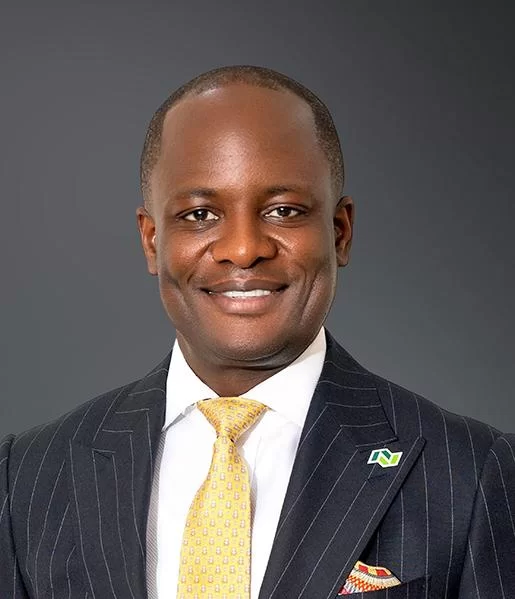
Temi Popoola, group managing director and chief executive of NGX Group, said the reclassification should be viewed less as an end in itself than as a platform for attracting a wider pool of international investors.
“This is an important moment for Nigeria’s capital market. But the real significance of returning to Frontier Market status is the opportunity it creates for the next phase of our market’s development,” Popoola said.
“We have to turn greater international visibility into broader participation, deeper liquidity and more capital for Nigerian businesses.”
The decision followed an additional review of Nigeria’s transition to a T+1 settlement cycle, which became operational on June 1. International investors had raised concerns that the shorter settlement period could create a de facto requirement to pre-fund trades, potentially limiting participation.
FTSE Russell said, however, that its assessment had found no material settlement, operational or funding problems since the implementation of T+1.
The decision provides a vote of confidence in the market infrastructure underpinning Nigeria’s equities market and removes an important obstacle to the country’s return to global benchmarks.
Nigeria’s reclassification process began in October 2025, when FTSE Russell placed the country on its Watch List for possible restoration to Frontier Market status. The review reflected improvements in foreign exchange liquidity, capital repatriation and market accessibility.
NGX Group, the Securities and Exchange Commission, global custodians and institutional investors subsequently engaged with FTSE Russell over the concerns surrounding settlement and international market access.
An NGX delegation held further discussions with FTSE Russell, global custodians and institutional investors in July, presenting evidence on the performance of the T+1 system and efforts to bring Nigerian market infrastructure closer to international standards.
For Nigeria, the return to the index is significant because the country’s market classification can determine whether certain global funds are permitted to invest in its equities. But the ultimate economic benefit will depend on whether the reclassification translates into actual portfolio flows rather than simply restoring Nigeria’s place on institutional investors’ screens.
Popoola said NGX would focus on converting that visibility into greater market participation.
“Our ambition is to build a market that is increasingly competitive globally and more relevant to Nigeria’s economic growth,” he said.
The Federal Government has also presented the FTSE decision as evidence that its broader economic and capital-market reforms are beginning to improve Nigeria’s attractiveness to international investors.
Finance Minister and Coordinating Minister of the Economy Taiwo Oyedele said the reclassification was a milestone in the government’s efforts to improve market access and eventually secure Emerging Market status.
The ministry credited NGX Group, the SEC, the Central Bank of Nigeria, the Central Securities Clearing System and other market participants with helping to restore Nigeria’s position in the FTSE Russell framework.
ALSO READ: Nigeria’s return to FTSE frontier index opens door to global investors
The timing is significant for the Nigerian exchange, which is seeking to increase the capital market’s contribution to long-term economic financing. A larger international investor base could improve liquidity and price discovery while making it easier for listed companies to raise equity capital.
Nigeria’s reclassification momentum is also extending beyond FTSE Russell. S&P Dow Jones Indices has placed the country on its Watch List for possible reclassification to Frontier Market status under its 2027 Country Classification Annual Review.
The next milestone in the FTSE process is the publication of Frontier Index Series annual indicative review files on September 2, ahead of the formal reclassification on September 21.
For NGX, the harder test begins after the index change takes effect. Nigeria must demonstrate that improvements in foreign exchange access, settlement infrastructure and market regulation can be sustained — and that renewed international attention can be converted into durable capital inflows.
The distinction between an index reclassification and a genuine revival in foreign investment will be crucial. Frontier status can reopen the door to global capital, but liquidity, policy credibility and investable opportunities will determine whether investors choose to walk through it.
SUPPORT AFRICAN BUSINESS JOURNALISM
Help XOL Africa expand independent business reporting across Africa.
SUPPORT XOL AFRICA →