


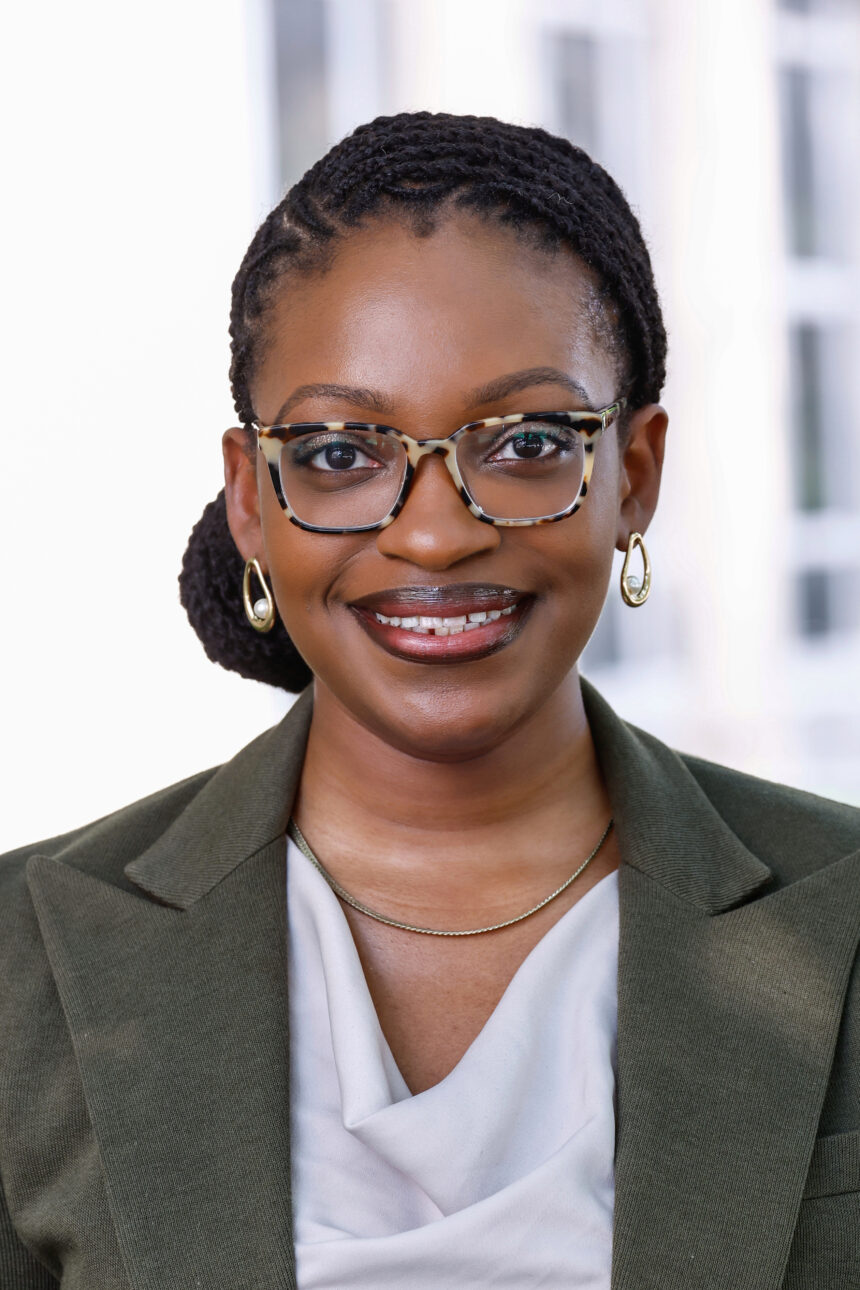
WASHINGTON, Nov. 7, 2026 — Nigerian-American computer scientist Chinasa T. Okolo has been recognized on TIME magazine’s list of the 100 most influential people in artificial intelligence, highlighting her contributions to AI governance, safety and the development of technologies that serve communities around the world.
The U.S. Mission in Nigeria celebrated Okolo’s recognition in a Facebook post, describing her work as an example of American excellence and highlighting her role in shaping the future of advanced artificial intelligence.
The diplomatic mission said Okolo was helping advance responsible AI development, with an emphasis on ensuring that emerging technologies benefit communities globally.
Okolo is the founder of Technecultura, an organization focused on AI governance and safety for the Global Majority, particularly populations in Africa and other regions historically underrepresented in global technology development.
Her research examines how African governments can establish effective AI and data governance frameworks, address algorithmic discrimination and respond to the geopolitical implications of rapidly advancing artificial intelligence.
She has also studied how frontline health care workers in rural India understand and use AI technologies, including the importance of making automated systems understandable to people with limited technical experience.
Okolo holds bachelor’s, master’s and doctoral degrees in computer science, earning her undergraduate degree from Pomona College and her graduate degrees from Cornell University.
She currently serves as a legislative AI fellow in the U.S. Congress through the American Association for the Advancement of Science’s Science and Technology Policy Fellowship program.
Her professional experience includes positions at the United Nations, World Bank Group, Brookings Institution, Apple and Microsoft. She previously served as the inaugural policy lead for Black in AI, an organization promoting greater representation and inclusion in artificial intelligence research and development.
Okolo has also contributed to major policy initiatives, including the African Union’s Continental Artificial Intelligence Strategy and the Nigerian government’s National Artificial Intelligence Strategy.
Her work has informed international discussions about AI regulation, including contributions to the International AI Safety Report and research cited in U.S. congressional reports on artificial intelligence.
Beyond her research, Okolo advises governments, universities, international institutions and nonprofit organizations on AI safety, digital inclusion and technology governance.
She serves on several advisory bodies, including the University of Cape Town’s African Hub on AI Safety, Peace and Security, and expert groups working on international AI governance.
Her research has appeared at leading academic conferences and attracted coverage from international publications, including Bloomberg, The Washington Post, TechCrunch and MIT Technology Review.
Born and raised in Kansas City, Missouri, to Nigerian immigrant parents, Okolo attended Lincoln College Preparatory Academy and earned an associate degree while completing her secondary education.
Her recognition comes as African governments increasingly seek to develop national AI strategies, strengthen digital infrastructure and establish regulatory frameworks that balance technological innovation with public safety and economic development.
Okolo has consistently advocated for greater participation by African countries and other developing economies in international AI policymaking, arguing through her research that technological governance must account for the social, economic and institutional realities of communities outside the world’s leading technology markets.
Her inclusion on the TIME100 AI list underscores the growing influence of researchers of African heritage in shaping global discussions about artificial intelligence, particularly as governments confront questions about accountability, fairness and the distribution of AI’s economic benefits.
SUPPORT AFRICAN BUSINESS JOURNALISM
Help XOL Africa expand independent business reporting across Africa.
SUPPORT XOL AFRICA →