


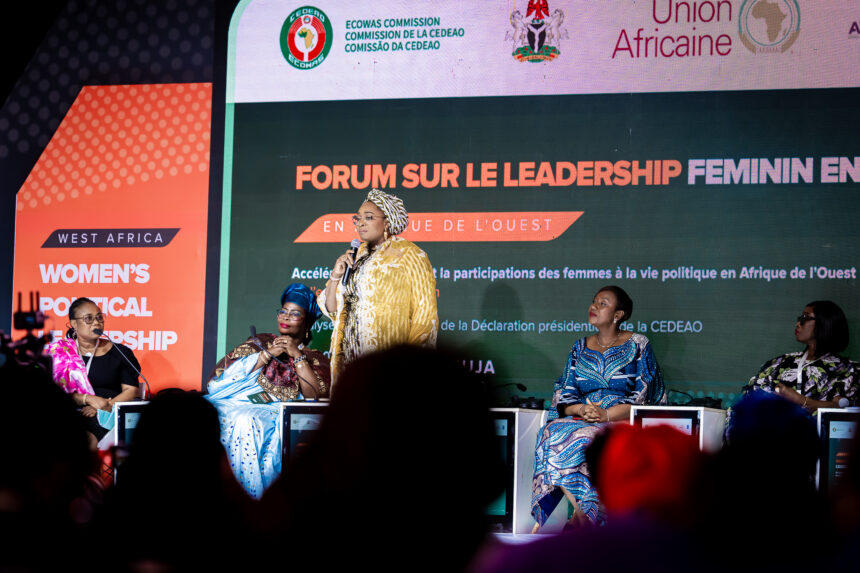
ABUJA, Nigeria (XOL Africa) — West African political leaders, lawmakers and women’s rights advocates have adopted the Abuja Regional Action Agenda, a framework aimed at accelerating women’s participation and leadership in politics across the region.
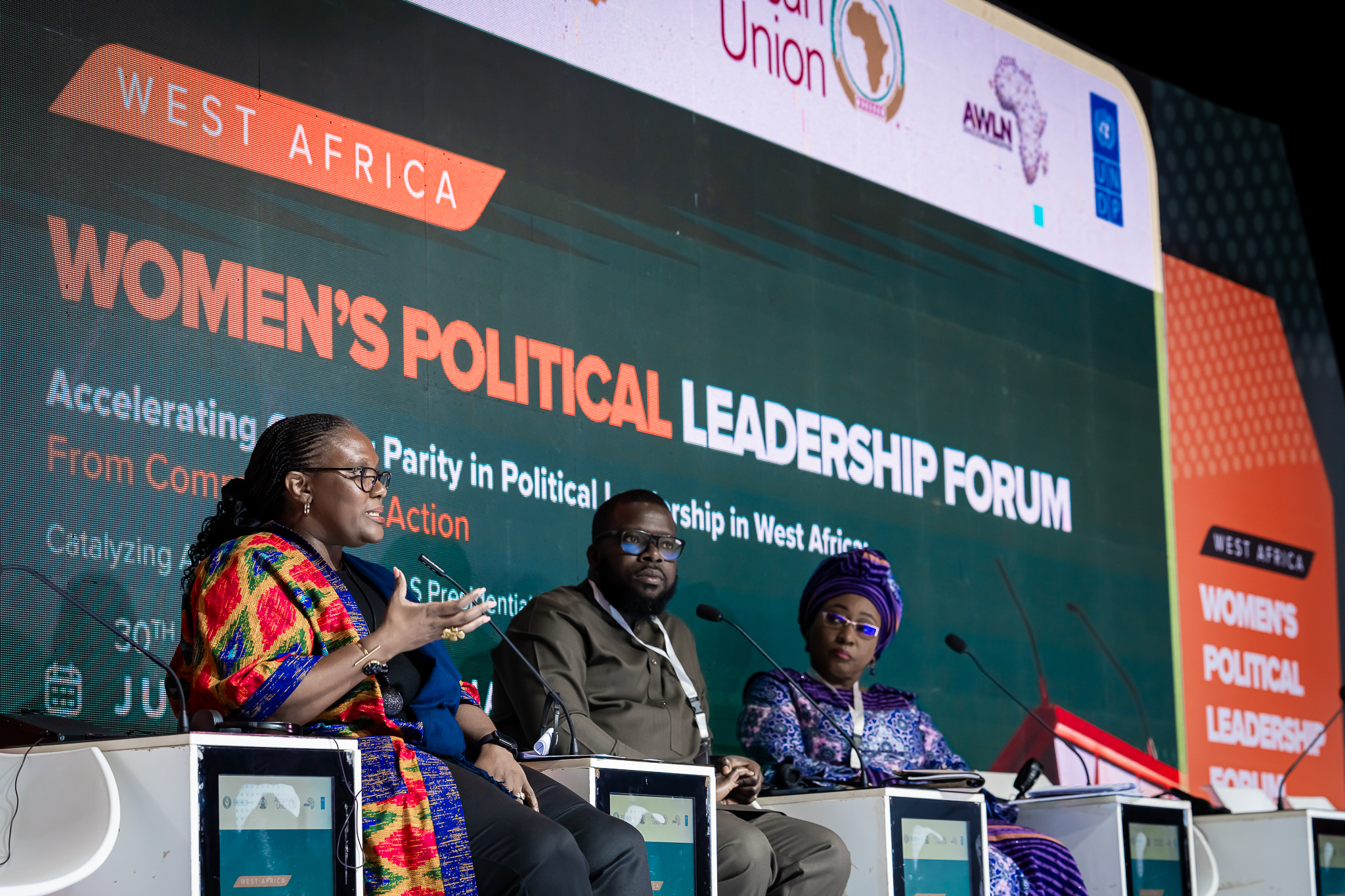
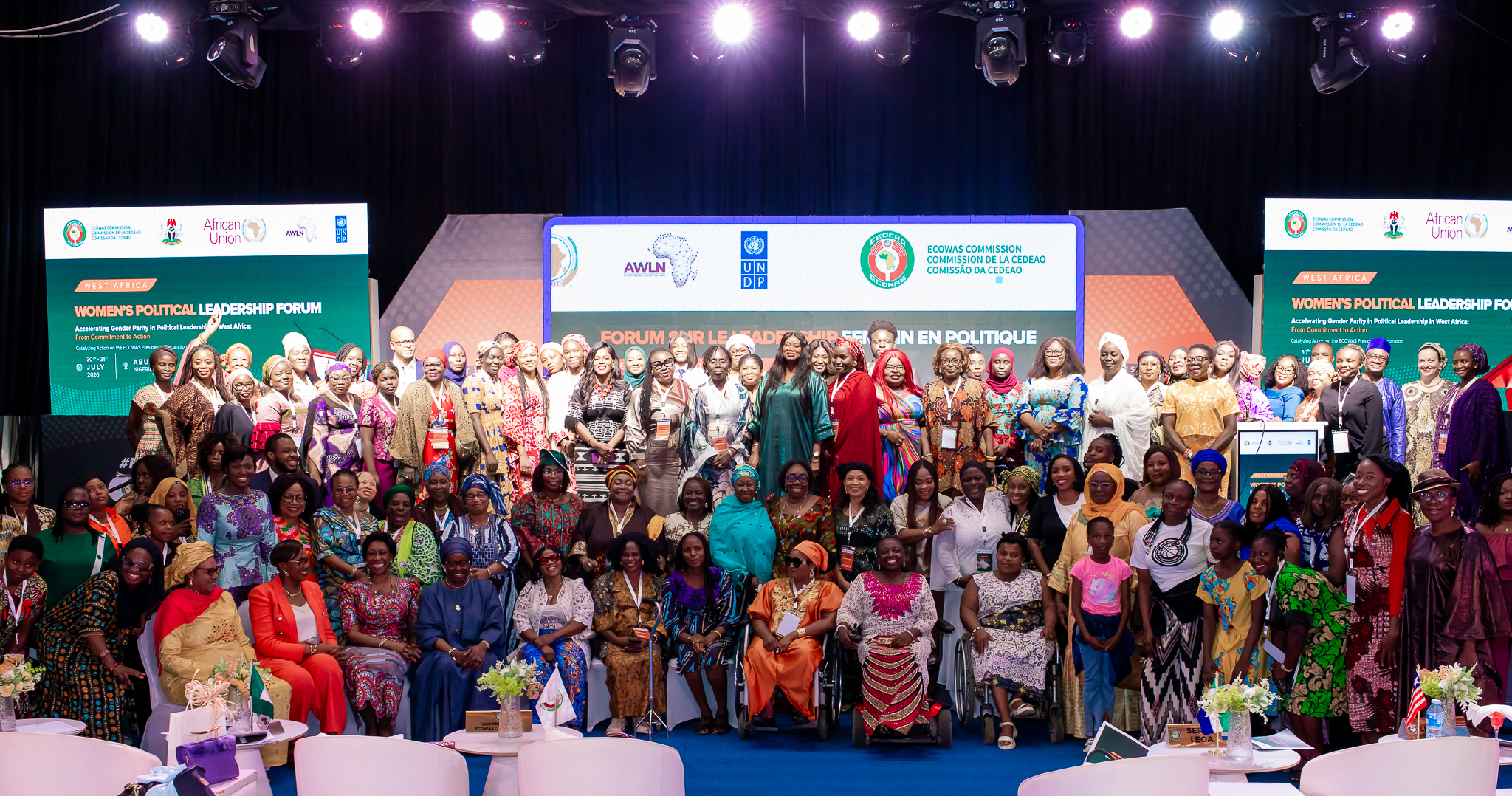
The agenda was adopted at the conclusion of the West Africa Women’s Political Leadership Forum held in Abuja on July 30-31, 2026. The forum brought together ministers, parliamentarians, political party representatives and civil society leaders under the theme, “Accelerating Women’s Political Participation and Leadership in West Africa: From Commitment to Action.”
The initiative follows the adoption of the Presidential Declaration on Advancing Gender Parity in Political Representation by the Economic Community of West African States (ECOWAS) Authority of Heads of State and Government during its 69th Ordinary Session in Freetown, Sierra Leone, in July.
The declaration commits ECOWAS member states to work progressively toward achieving full gender parity in elected positions by 2035.
Women currently hold 18.4% of parliamentary seats across West Africa, the lowest level among Africa’s regions, according to figures presented at the forum. Representation remains significantly lower in executive government positions and political party leadership structures.
The Abuja Regional Action Agenda calls on member states to strengthen constitutional, legal and policy frameworks that support women’s political participation. It also urges political parties to reform candidate selection processes, improve internal leadership structures and create more opportunities for women to compete for elected office.
The agenda includes commitments to increase investment in leadership development, mentorship programmes and support networks for women politicians. It also highlights political financing as a major barrier and calls for measures to improve women’s access to campaign resources.
ECOWAS Vice President Damtien L. Tchintchibidja said advancing women’s political leadership was central to building stronger democratic institutions in the region.
“The Declaration is poised to stand as an enduring legacy of ECOWAS at Fifty and as an important foundation for the Community we are building under Vision 2050: an ECOWAS of the people, of all our people,” Tchintchibidja said.
She added that progress would require political commitment and action beyond recognising the need for change.
Nigeria’s Minister of Women Affairs and Social Development, Imaan Sulaiman-Ibrahim, said increasing women’s representation was not only about fairness but also about improving governance outcomes.
“Women’s political leadership is no longer a matter of fairness to women. For me, it is a matter of competence for nations,” Sulaiman-Ibrahim said. “A democracy that governs with half its talent is not simply unjust. It is underperforming.”
Ahunna Eziakonwa, United Nations Development Programme (UNDP) Assistant Administrator and Director of the Regional Bureau for Africa, said governments should focus on transforming political systems that limit women’s participation.
“Africa has no shortage of women with the ability, ambition and commitment to lead,” Eziakonwa said. “Our task is not to ask women to adapt to unequal political systems, but to transform those systems.”
The Abuja agenda outlines nine priority areas, including developing national laws and policies to support gender parity, reducing financial barriers in politics, protecting women from political violence, supporting young women leaders and strengthening cross-party networks.
It also calls for greater participation of women in political transitions, constitutional review processes and decision-making institutions, while encouraging men and boys to become allies in advancing gender equality.
Dr. Jide Okeke, director of UNDP’s Regional Programme for Africa, told participants that women leaders should be viewed as essential contributors to governance rather than beneficiaries of inclusion efforts.
“You are not the problem to be solved. You are the evidence that the problem is solvable,” Okeke said.
The forum was convened by the ECOWAS Commission, Nigeria’s Ministry of Women Affairs and Social Development, the African Union, the African Women Leaders Network and UNDP. It was supported through UNDP initiatives focused on inclusive political transitions and strengthening women’s political leadership across Africa.
The adoption of the Abuja Regional Action Agenda comes as regional institutions face growing pressure to translate commitments on gender equality into measurable political reforms ahead of the 2035 parity target.