


Africa’s business landscape was marked by major moves in energy, trade, investment, infrastructure and economic policy during the week of August 31 to September 6, 2026.
Here are 10 business stories that stood out across the continent:
1. Dangote Refinery IPO set to become Africa’s biggest share sale
Nigeria’s Securities and Exchange Commission approved the initial public offering of the Dangote Refinery, paving the way for what is expected to be Africa’s largest-ever share sale.
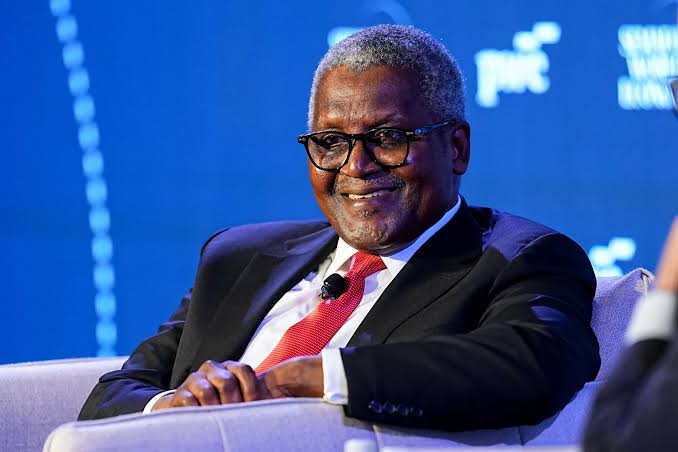
Aliko Dangote said the IPO would open in September, with reports putting the potential raise at around $1.5 billion to $1.8 billion. The refinery is Africa’s largest and has a nameplate capacity of 650,000 barrels per day, with plans to eventually double capacity.
The listing could mark a major milestone for Nigeria’s capital markets and give investors greater exposure to Africa’s energy sector.
2. Kenya orders Tata Chemicals to halt operations
Kenyan President William Ruto ordered India’s Tata Chemicals to leave the country, accusing the company of failing to deliver sufficient local economic benefits from its soda ash operations at Lake Magadi.
Tata Chemicals disputed the characterization and said it remains committed to resolving the matter through legal and regulatory channels.
The dispute highlights a growing push by African governments for foreign investors to move beyond raw-material extraction and create more local value, jobs and industrial capacity.
3. Uber exits Nigeria after 12 years
Uber ended its operations in Nigeria on September 2, bringing its 12-year presence in the country to an end.
The company also exited Uganda. Uber cited a review of its operations but did not provide a detailed explanation for the Nigerian departure.
The exit comes as African ride-hailing markets face rising fuel costs, inflation, currency pressures and increasingly competitive local players.
4. Kenya moves against foreign operators in small businesses
President William Ruto ordered a nationwide crackdown on foreign nationals operating small-scale businesses, arguing that micro and small enterprises should primarily be reserved for Kenyan citizens.
The policy has raised questions about Kenya’s investment environment and the balance between protecting local entrepreneurs and maintaining an open economy.
The development could have implications for foreign traders and small-business operators across Kenya’s retail economy.
5. Nigeria’s economy grows 4.43% in Q2
Nigeria’s real GDP expanded 4.43% year-on-year in the second quarter of 2026, accelerating from 3.89% in the first quarter.
Growth was supported by agriculture, services, telecommunications and a stronger oil sector. The services sector remained the largest contributor to economic output.
The figure provides another sign that Africa’s largest economy is gaining momentum following a period of difficult economic reforms.
6. Eskom reports second consecutive profitable year
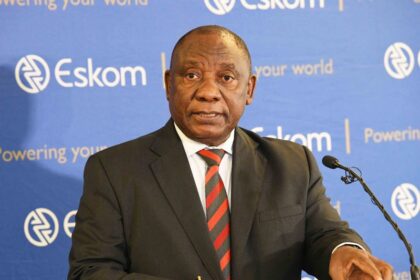
South Africa’s state power utility Eskom reported a R30.3 billion profit for its 2025/26 financial year, marking its second consecutive profitable year.
The result represents a significant turnaround for a utility that endured years of financial losses and operational problems.
Eskom also reported improvements in operational performance, although questions remain around electricity affordability, generation reliability and the long-term sustainability of South Africa’s power system.
7. US extends AGOA through 2028
The United States extended the African Growth and Opportunity Act (AGOA) through December 31, 2028.
The extension preserves preferential, duty-free access to the US market for eligible sub-Saharan African exporters and provides additional certainty for industries including textiles, apparel and agriculture.
African exporters welcomed the move, although the two-year extension is considerably shorter than the longer-term certainty many businesses and governments had sought.
8. Senegal secures $2.2 billion IMF programme amid debt crisis
Senegal reached a staff-level agreement with the International Monetary Fund on a $2.2 billion, three-year programme aimed at restoring debt sustainability.
The agreement follows the discovery of more than $11 billion in previously undisclosed government debt, pushing Senegal’s debt burden to exceptionally high levels.
The country’s debt problems have become one of West Africa’s most closely watched economic challenges, with investors also facing the possibility of restructuring losses.
9. Cocoa prices jump more than 70% as West African supply faces new risks
Cocoa futures have risen more than 70% since June, with disease, extreme weather and renewed El Niño concerns threatening supplies from major West African producers.
Ghana and Côte d’Ivoire, which together account for a large share of global cocoa production, are entering a new harvest season amid concerns about crop yields.
For African producers, the price surge could provide an opportunity for higher export revenues, but it also highlights the vulnerability of the continent’s agricultural economies to climate and disease shocks.
10. AI data centres raise electricity concerns in South Africa
The rapid expansion of AI and hyperscale data centres in South Africa is prompting concerns about electricity demand, water use and the country’s energy transition.
Civil-society groups have called for stronger regulation as technology companies expand their digital infrastructure footprint.
The debate illustrates a broader challenge for African economies: attracting billions of dollars in digital investment while ensuring that data-centre growth does not worsen pressure on already-constrained power and water systems.
The bigger picture
Last week’s business news showed an Africa increasingly focused on local value addition, capital-market development, economic reform and strategic trade relationships.
Nigeria’s Dangote Refinery IPO could reshape the continent’s capital markets, while the Tata Chemicals dispute demonstrates governments’ growing insistence that foreign investment produce stronger domestic benefits.
At the same time, Nigeria’s stronger GDP growth, Eskom’s financial turnaround and the AGOA extension offer signs of opportunity, even as Senegal’s debt crisis and South Africa’s energy constraints underline the structural challenges facing African economies.
For businesses and investors, the message from last week was clear: Africa remains a high-growth opportunity, but governments are becoming more demanding about who benefits from that growth and how sustainably it is achieved.
XOL AFRICA
SUPPORT AFRICAN BUSINESS JOURNALISM
Help XOL Africa expand independent business reporting across Africa.
SUPPORT XOL AFRICA →