



BRUSSELS (XOL Africa) — The Economic Community of West African States (ECOWAS) has highlighted the need for deeper regional cooperation and stronger integration efforts as it marked the third edition of the West Africa Cultural Day in Brussels.
Organised by the Group of Ambassadors of West African Countries (GAAO) in collaboration with the Permanent Representation of ECOWAS in Brussels, the three-day event from July 23 to 25, 2026, featured cultural, educational and sporting activities aimed at promoting unity and showcasing the region’s rich heritage.
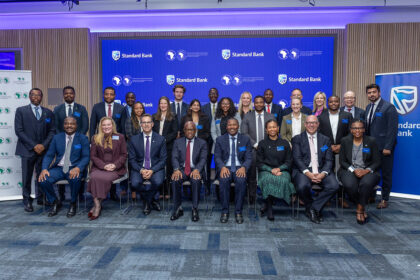
The main highlight was a high-level dialogue on the challenges and prospects of advancing regional integration in West Africa under the theme: “ECOWAS, 51 Years On: What Prospects in the Face of Contemporary Challenges?”
The discussion brought together representatives from the European Union, the Organisation of African, Caribbean and Pacific States (OACPS), the African Union, diplomatic missions, international organisations, academia, civil society and the West African diaspora.
Opening remarks were delivered by Amadou Ba, Economic Adviser at the ECOWAS Permanent Representation in Brussels, and Sierra Leone’s Ambassador to Belgium, Philip Bob Jusu.
EU representatives, including Jolita Pons, Head of the West Africa Division at the European External Action Service (EEAS), and Carlo Pettinato, Head of Unit TRADE.C1 Africa and Pacific, Overseas Countries and Territories, also delivered messages reaffirming support for regional cooperation.
Ba recalled ECOWAS’ achievements over its 51-year history, while emphasising ongoing reforms designed to improve the effectiveness and impact of the regional bloc.
He identified major challenges facing West Africa, including insecurity, political instability, climate change impacts on food security, and migration pressures affecting young people and women.
EU representatives reiterated their commitment to supporting ECOWAS initiatives focused on peace, stability, economic integration and sustainable development.
The dialogue included a presentation on ECOWAS achievements since its creation and a roundtable discussion moderated by Viwanou Gnassounou, former Assistant Secretary-General of the OACPS.
Participants examined key issues including peace and security, democratic governance, regional markets, economic integration, and policy coordination.
Dr. Dedou P. Hemou, Secretary-General of the ECOWAS Parliament, outlined current obstacles to regional integration and opportunities for strengthening cooperation among member states.
Jusu highlighted the historic role of the Economic Community of West African States Monitoring Group (ECOMOG) in maintaining regional peace and security, particularly during conflicts in Sierra Leone, while calling for stronger mechanisms to address emerging threats.
On governance, Senegal’s Ambassador to Belgium, Mame Baba Cissé, stressed the importance of the rule of law and stronger institutions in achieving lasting stability.
Ghana’s Embassy representative, Dr. Innocent Badasu, pointed to progress in economic integration but called for further action to remove barriers to intra-regional trade, improve infrastructure and boost competitiveness.
Ousmane Koné, Resident Representative of the West African Economic and Monetary Union (UEMOA) in Brussels, urged stronger coordination among regional institutions to improve policy alignment and maximise the benefits of integration initiatives.
Discussions also addressed security challenges, political transitions, financing for regional integration, trade, youth empowerment and partnerships with the European Union.
Participants called for a more resilient, united and people-focused ECOWAS capable of responding to the region’s evolving challenges.
The celebrations continued with a friendly football match on July 24 between ambassadors and advisers and local staff of West African embassies at Ixelles Stadium in Brussels.
The event concluded with a cultural evening hosted at the Embassy of The Gambia in Brussels, featuring traditional music, dance performances, cultural displays, traditional clothing and West African cuisine.
Organisers said the third edition of the West Africa Cultural Day strengthened ECOWAS’ visibility while celebrating the diversity, solidarity and shared values that connect the peoples of West Africa.