


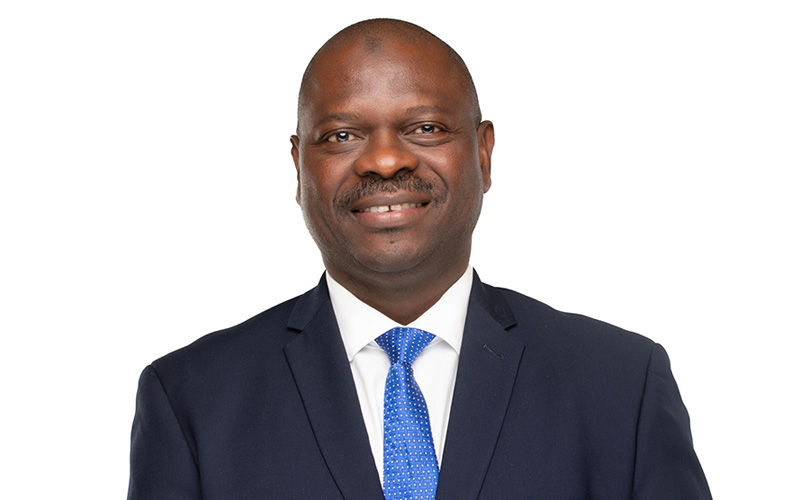
BANGKOK, Thailand, Oct. 14, 2026 (XOL Africa) — The Gambia’s Finance Minister Seedy Keita has reaffirmed Africa’s commitment to strengthening economic resilience and accelerating structural transformation, as African finance ministers and central bank governors engage with the International Monetary Fund during the IMF-World Bank Annual Meetings in Bangkok.
Keita, who chairs the African Caucus and serves as The Gambia’s minister of finance and economic affairs, joined IMF Managing Director Kristalina Georgieva in reaffirming the partnership between African countries and the Fund, according to a statement issued on Wednesday.
The discussions come as African economies confront persistent financing constraints, high debt-service costs, external economic shocks and growing demands for investment in infrastructure, public services and job creation.
The African Caucus provides a platform for African finance ministers and central bank governors to coordinate their positions and communicate the continent’s economic priorities to the IMF and World Bank.
The Gambia’s leadership of the caucus places the West African country at the centre of efforts to build a common African position on development financing, economic reform and long-term growth.
From commitments to economic transformation
The partnership agenda builds on priorities established at the 2026 African Caucus meeting in Banjul, where African governments, the IMF, the World Bank Group and development partners called for greater investment, innovation and inclusive growth.
The meeting concluded with the adoption of the Banjul Declaration, which highlighted the need to strengthen domestic revenue mobilisation, deepen financial markets, support micro, small and medium-sized enterprises, promote industrialisation and invest in human capital.
Keita urged participants to move beyond the continent’s economic potential towards measurable results by unlocking financing and increasing the value derived from Africa’s natural resources.
These priorities reflect a broader effort to reduce reliance on raw commodity exports, expand productive capacity and create more sustainable sources of employment and government revenue.
Financing remains a central challenge
African governments continue to face pressure from borrowing costs, debt repayments and limited access to affordable external financing. These constraints can restrict their ability to fund infrastructure, education, healthcare and other development priorities.
In an April 2026 statement following an African Consultative Group meeting, the IMF identified high debt-service burdens, restricted access to affordable financing and growing development needs as significant challenges for the region.
The Fund also called for stronger domestic revenue mobilisation, more efficient public spending and structural reforms to support economic diversification and regional integration.
For African governments, the challenge is to maintain macroeconomic stability while protecting essential public services and creating conditions for private investment.
The IMF has said its engagement with African members will continue to focus on supporting sound economic policies, mobilising financing and strengthening resilience amid an increasingly complex global environment.
The Gambia’s regional role
For The Gambia, chairing the African Caucus offers an opportunity to advance priorities shared by countries across the continent, particularly those seeking affordable development financing and greater capacity to withstand external shocks.
The Banjul Declaration also placed emphasis on developing financial markets, supporting smaller businesses and building a skilled workforce, areas considered important for broadening economic participation and strengthening domestic production.
The effectiveness of these commitments will depend on how governments translate regional agreements into national policies, investment programmes and reforms that deliver tangible benefits to businesses and households.
The discussions in Bangkok therefore provide another opportunity for African representatives to engage the IMF on the financing and policy support needed to advance the continent’s development objectives.
As the meetings continue, the focus remains on strengthening cooperation between African governments and international financial institutions while advancing a more resilient, diversified and inclusive model of economic growth.
SUPPORT AFRICAN BUSINESS JOURNALISM
Help XOL Africa expand independent business reporting across Africa.
SUPPORT XOL AFRICA →