



ABUJA, Sept. 1 (XOL Africa) — Nigeria’s economy expanded at its fastest pace in more than a year in the second quarter, strengthening the government’s case that economic reforms are beginning to deliver broader growth as it pursues a target of becoming a $1tn economy by 2030.
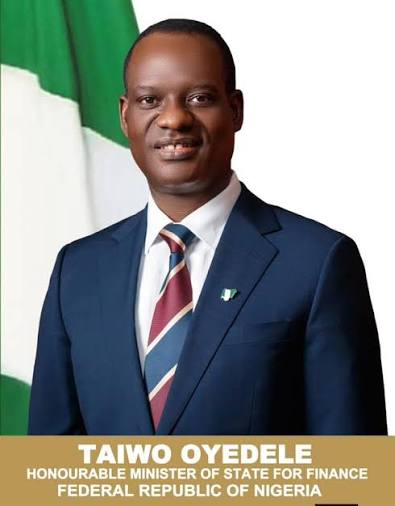
Real gross domestic product grew 4.43 per cent year on year in the three months to June, up from 3.89 per cent in the first quarter and 4.23 per cent in the same period last year, according to figures cited by Finance Minister Taiwo Oyedele on Tuesday.
The stronger quarter lifted real GDP growth for the first half of 2026 to 4.16 per cent, compared with 3.68 per cent in the first half of 2025.
The expansion was increasingly broad-based, with 27 economic subsectors recording growth above 3 per cent, compared with 23 a year earlier.
Manufacturing growth more than doubled to 3.24 per cent, from 1.60 per cent in the second quarter of 2025. Agriculture expanded 4.39 per cent, compared with 2.82 per cent a year earlier, while services grew 4.60 per cent, up from 3.94 per cent.
Oyedele said the figures showed that the recovery was extending beyond a small number of sectors.
“These results underscore the importance of sustaining our reforms and ensuring policy consistency as their benefits begin to reach households across the country,” he said.
The government is also highlighting the naira’s performance as a factor behind the increase in Nigeria’s output when measured in US dollars. The currency appreciated by more than 12 per cent between the first halves of 2025 and 2026, according to the finance ministry, contributing to an estimated 17 per cent expansion in the economy in dollar terms.
The stronger naira could help raise dollar-denominated incomes and improve purchasing power, although the impact on households will depend on whether higher output and currency stability translate into lower inflation and stronger real incomes.
The government said the latest figures strengthened its ambition to reach $1tn in GDP by 2030 and overtake other African economies in size.
It cited International Monetary Fund projections that place Nigeria among the 10 largest contributors to global real GDP growth in 2026, with the country expected to account for about 1.5 per cent of world growth.
“Continued macroeconomic stability, sustained growth across productive sectors, and improving investor confidence would accelerate Nigeria’s progression toward becoming Africa’s largest economy by 2028,” the ministry said.
The upbeat assessment comes after a period of significant economic adjustment under President Bola Tinubu, including reforms to the foreign-exchange market and fuel subsidies. The government is betting that stronger macroeconomic stability will encourage investment and support longer-term productivity growth.
Oyedele said the administration’s focus would now be on ensuring that stronger headline growth translates into wider improvements in living standards.
“The Government remains focused on accelerating inclusive growth and translating these macroeconomic gains into shared prosperity for every Nigerian family,” he said.
SUPPORT AFRICAN BUSINESS JOURNALISM
Help XOL Africa expand independent business reporting across Africa.
SUPPORT XOL AFRICA →