



CAIRO, October 28, 2026 — China Petroleum & Chemical Corporation (Sinopec) has reported more than $5.7bn in cumulative investments across Africa between 2021 and 2025, highlighting the growing role of Chinese energy companies in the continent’s energy sector and infrastructure development.
The state-controlled Chinese energy group said it implemented 33 projects in 16 African countries during the five-year period, while its tax payments and corporate social responsibility contributions exceeded $4bn.
Sinopec said its African operations directly created 16,000 local jobs in 2025, underscoring its expanding presence in the continent’s oil and gas industry.
The figures were disclosed in the company’s Sustainability Report in Africa (2021–2025), released in Cairo on October 25 alongside the launch of WE17, a global sustainability communication initiative aligned with the United Nations’ 17 Sustainable Development Goals.
The report outlines Sinopec’s activities in oil and gas exploration, engineering, refining, energy trading and renewable energy, as well as environmental protection and community development programmes.
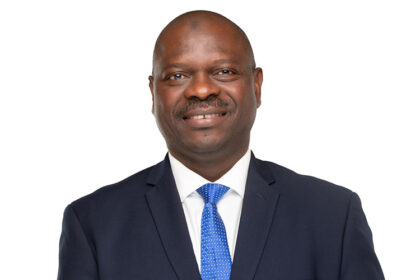
Wei Dong, managing director of Sinopec’s Africa office, said the company would continue to leverage its industrial capabilities to expand investments in energy resources while balancing commercial objectives with environmental protection and community welfare.
The report comes as African governments seek to attract investment into energy infrastructure, expand electricity access and develop domestic industrial capacity, while managing pressure to reduce emissions.
Energy investments and emissions reduction
Sinopec’s African portfolio spans conventional hydrocarbons and renewable energy projects, reflecting the competing priorities of energy security, industrialisation and decarbonisation across the continent.
In Egypt, the company is working with US energy producer Apache Corporation to explore the use of wind and solar power in oilfield operations in the Western Desert.
Sinopec said gas flaring at the joint project had fallen by more than 60 per cent by the end of 2025, following improvements in energy efficiency and gas recovery.
The company also participates in five offshore oil and gas exploration and development blocks in Angola and maintains longstanding energy partnerships in Algeria.
Its renewable energy activities include Ethiopia’s Adama Wind Power Project, which the company said supplies electricity equivalent to approximately 20 per cent of Addis Ababa’s demand, and a geothermal pipeline project supporting electricity generation in Kenya.
Sinopec also reported environmental initiatives in several African countries, including the planting of more than 7,000 mangroves in Angola.
In Uganda, the company said the deployment of ultra-low-noise intelligent drilling rigs had reduced carbon emissions by more than 90 per cent compared with conventional equipment.
The environmental performance figures were presented by Sinopec in its sustainability report.
Investment in local communities
Beyond energy production, Sinopec said its operations had supported vocational training, education, healthcare and water infrastructure across Africa.
In Uganda, a welding training programme provided 60 local workers with internationally recognised professional certifications, aimed at strengthening domestic technical expertise.
The company also reported supporting the construction of more than 70 water supply plants and the installation of over 4,300 kilometres of water pipelines across the continent.
In Egypt, Sinopec said an education assistance programme had contributed to the construction of 201 girls’ schools, providing educational opportunities for more than 15,000 students.
Its cultural initiatives include the Silk Road Book House – China Bookshelf programme in Egypt, Algeria and Cameroon, alongside youth exchange activities intended to strengthen cultural ties.
China-Africa economic ties
The Cairo event also highlighted the broader diplomatic and economic relationship between China and African countries.
Zhao Liuqing, minister counsellor for economic and commercial affairs at the Chinese embassy in Egypt, noted that 2026 marks 70 years since the establishment of diplomatic relations between China and Egypt, as well as the beginning of diplomatic relations between the People’s Republic of China and African countries.
He described Sinopec’s activities in Egypt as an example of cooperation under the China-Egypt comprehensive strategic partnership.
Magdy Amer, a board member of the Egypt-China Friendship Association and former Egyptian ambassador to China, also acknowledged the company’s contribution to economic and social development.
China has become a major investor and trading partner across Africa, with energy, mining, transport and infrastructure forming important components of its economic engagement with the continent.
New sustainability brand
At the event, Sinopec introduced WE17, a global sustainability communication brand operating under the slogan Together for Better.
The initiative is structured around three themes: Clean, focusing on environmental responsibility; Care, addressing community welfare; and Culture, promoting exchanges between countries and communities.
Sinopec said the framework would help communicate its sustainability activities and reinforce its alignment with the UN Sustainable Development Goals.
About 100 representatives from government, business, academia and the media attended the launch in Cairo.
The report provides a five-year account of Sinopec’s African operations as the company seeks to strengthen its position in the continent’s energy markets while presenting its investments as contributors to industrial development, employment and environmental sustainability.
SUPPORT AFRICAN BUSINESS JOURNALISM
Help XOL Africa expand independent business reporting across Africa.
SUPPORT XOL AFRICA →