


FREETOWN, Sierra Leone (XOL Africa) — A World Bank Group-supported tourism and economic diversification project in Sierra Leone has contributed to the creation of more than 35,000 direct and indirect jobs and helped leverage more than $92 million in private investment, as the country seeks to make tourism a larger driver of economic growth.
The results are linked to the Sierra Leone Economic Diversification Project (SLEDP), launched by the government in 2020 with World Bank Group support to expand investment and enterprise in tourism. The project has focused on infrastructure, business development and support for small and medium-sized enterprises.
Tourism already accounted for about 5% of Sierra Leone’s gross domestic product before the project began and supported approximately 53,000 jobs, according to the World Bank. The sector also generates demand for agriculture, construction, transportation, retail, crafts and financial services.
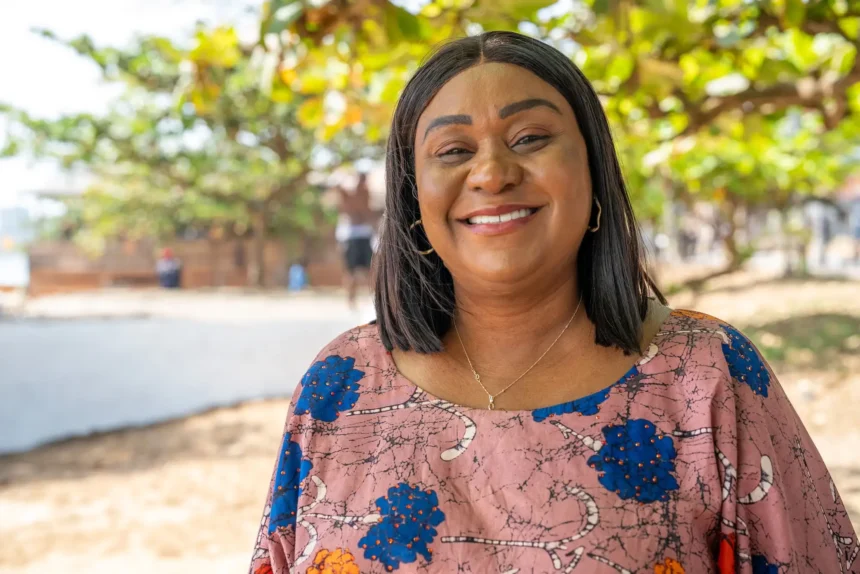
“Tourism is important. We’ve got culture, we’ve got beautiful spots, the fashion, the arts. You’ve got a rich, vibrant culture in Sierra Leone,” said Nabeela Farida Tunis, Sierra Leone’s minister of Tourism and Cultural Affairs.
The project has concentrated tourism investment on three sites: Bureh Beach on the Western Peninsula, the Tacugama Chimpanzee Sanctuary near Freetown and Leicester Peak, which offers views over the capital, coastline and surrounding hills.
At Tacugama, the project supported a Conservation Education and Innovation Centre and botanical garden, alongside improvements to access roads, parking, landscaping and visitor facilities. International tourist arrivals have doubled since the project began, according to the World Bank.
At Leicester Peak, the government launched a new viewpoint tourist site in April 2026, marking another investment in Sierra Leone’s tourism infrastructure.
The project has also targeted the wider business environment. An automated building-permit system reduced the average time required to obtain a construction permit from 182 days to 14 working days, according to the World Bank.
The project also helped upgrade Sierra Leone’s collateral registry, allowing businesses to use movable assets such as equipment, inventory and receivables as collateral for loans. More than $87 million in new loans were provided to micro, small and medium-sized enterprises, while businesses supported by the project reported an average 32% increase in gross sales.
A Business Solution Center supported by the project at Sierra Leone’s National Investment Board helped facilitate the registration of more than 13,000 new businesses. More than 8,000 entrepreneurs, including more than 4,900 women, participated in training, pitch events and other programs supported by the project.
“There are a lot of opportunities for creatives. They can turn their creativity into a business,” said Isatu Harrison, CEO of Creative Hub Africa.
The tourism project contributed to more than 35,000 direct and indirect jobs, with women accounting for more than 10,000 of those positions. The jobs extend beyond hotels and tourist attractions to transport operators, farmers, artisans, food vendors and creative businesses.
“The majority of businesses we have in Sierra Leone are small businesses. Those small businesses are actually headed by women, or owned by women. Supporting women to do well in business is really going to help the economy greatly,” said Edward Sandy, executive director of Sierra Leone’s National Investment Board.
The World Bank said total private-sector investment leveraged through project activities has exceeded $92 million, reflecting increased investment and enterprise activity around Sierra Leone’s tourism sector.
The project is part of Sierra Leone’s broader effort to diversify an economy in which employment and investment have historically been concentrated in extractive industries. The World Bank has identified tourism among the sectors with significant potential for large-scale employment creation.
The government continues to develop tourism sites and establish arrangements for private operators to manage them, while seeking to connect communities around tourist destinations to the economic opportunities generated by increased visitation.
SUPPORT AFRICAN BUSINESS JOURNALISM
Help XOL Africa expand independent business reporting across Africa.
SUPPORT XOL AFRICA →