



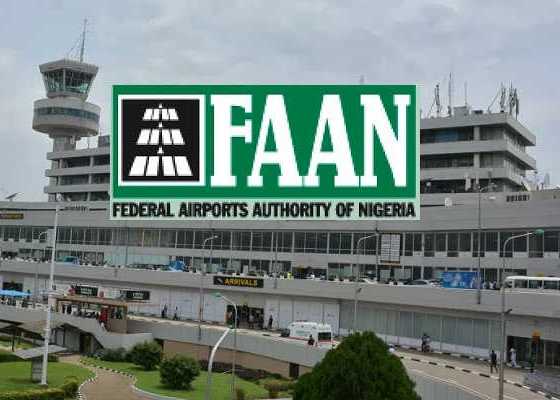
LAGOS, Nigeria (XOL Africa) — Nigeria’s Federal Airports Authority of Nigeria, or FAAN, said Thursday it has not imposed a blanket ban on Uber, Bolt or other ride-hailing services at the country’s airports, saying it is working with operators to establish rules that ensure passenger safety and orderly airport operations.
The clarification follows reports and public criticism over restrictions affecting ride-hailing services at some FAAN-managed airports, including Murtala Muhammed International Airport in Lagos and Nnamdi Azikiwe International Airport in Abuja.
“FAAN wishes to clarify that its position is not, and has never been, directed at limiting passengers’ access to transportation options or undermining the important role that e-hailing services play in providing convenient mobility to air travellers,” the authority said in a statement signed by its management.
FAAN said airports are highly regulated environments and that commercial transport providers must operate within a framework that allows the authority to identify and monitor vehicles and drivers.
The authority said such arrangements are necessary to ensure transport providers are “identifiable, accountable and properly integrated into the airport’s operational and security framework.”
The dispute centers in part on the Airport Car Hire Rank Management System, or ACHRAMS, a digital platform introduced by FAAN to modernize ground transportation, improve passenger safety and facilitate cashless operations.
The rollout has prompted concerns and protests over vehicle standards, registration requirements and the integration of ride-hailing drivers into the airport transport system.
FAAN said ACHRAMS was not designed to compete with ride-hailing companies.
“ACHRAMS is not an e-hailing application and is not intended to compete with or replicate the services provided by Uber, Bolt or any other e-hailing platform,” the authority said.
Instead, FAAN said the system was created to provide operational visibility and vehicle tracking within airports and to manage applicable concessions and airport-related charges.
The authority said it had received complaints and observed operational challenges associated with commercial transportation around airport premises, including passenger solicitation and touting.
Those concerns, it said, prompted the need for “a clear and effective framework” for managing commercial transportation services at airports.
FAAN said it is now engaging ride-hailing operators to develop “a mutually workable operational framework” that preserves the convenience of their services while addressing safety, security, accountability and passenger-experience concerns.
“The current situation should therefore not be misconstrued as FAAN declaring a blanket prohibition on e-hailing services,” the authority said.
FAAN acknowledged that some passengers may have experienced inconvenience during the ongoing discussions and said it was working to resolve the outstanding issues as quickly as possible.
“The Authority and the affected operators are currently engaged in constructive discussions towards resolving the outstanding issues,” it said.
FAAN said the talks are focused on passenger safety and security, operational visibility, accountability and the management of vehicle pickup activities within airport premises.
The authority said it remains committed to working with Uber, Bolt and other mobility providers to ensure passengers have safe and convenient transportation options at Nigerian airports.
SUPPORT AFRICAN BUSINESS JOURNALISM
Help XOL Africa expand independent business reporting across Africa.
SUPPORT XOL AFRICA →