


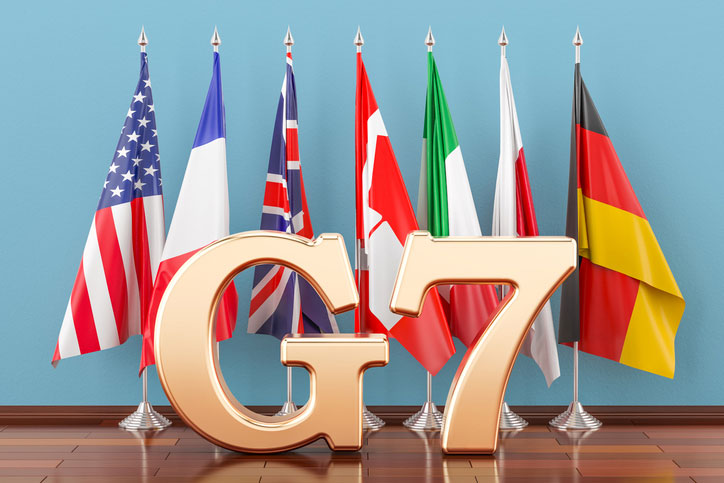
TALLINN, Estonia (XOL Africa) — Group of Seven leaders agreed to coordinate the release of 100 million barrels of oil through the International Energy Agency over four months as part of a package of measures aimed at stabilizing energy markets and protecting households and businesses from surging prices.
The leaders announced the measures after a virtual meeting focused on what they described as deepening challenges to global energy security, including unprecedented volatility in oil markets and pressures on refined products, particularly diesel.
Under the agreement, G7 members and partners will begin the coordinated release immediately, with a substantial portion of diesel supplies to be released within the first 20 days. The group said it would also discuss the possibility of additional diesel releases if market conditions require further action.
“We, the Leaders of the G7, convened a virtual meeting to address the deepening challenges to our energy security,” the leaders said in a joint statement. They said surging oil prices were threatening “economic stability and the well-being of our citizens.”
The G7 also agreed to coordinate refinery maintenance schedules to avoid simultaneous shutdowns that could further restrict supplies. Where feasible, members will temporarily increase refinery utilization rates.
The group called on countries with significant refining capacity to increase production of refined petroleum products, particularly diesel, amid continued pressure in that market.
The G7 requested that the IEA monitor implementation of the measures and its members’ previous commitments made in March 2026. The agency is expected to provide a follow-up report within 20 days, including recommendations for strengthening future responses and replenishing strategic stocks.
The leaders also reaffirmed their commitment to avoid energy and energy-product export restrictions among G7 countries.
“We reaffirm our commitment to refrain from export restrictions on energy and energy products between G7 countries,” they said, while urging energy-producing countries more broadly to avoid export bans that could worsen market tensions.
The statement also focused heavily on developments involving Iran and the Strait of Hormuz, a critical route for global energy shipments.
The G7 condemned what it described as Iran’s “continued attacks against its regional neighbours” and disruption of international trade and energy security. The leaders called for the “immediate and full restoration of navigational rights and principles” in the Strait of Hormuz.
The group also praised the United States for its efforts to maintain the flow of commercial shipping through the strait.
“We commend the United States for its efforts to ensure the free flow of commerce through the strait of Hormuz,” the leaders said.
The G7 said it would maintain sanctions against Russia while working with the IEA and other international partners to limit further disruptions to fuel, gas and other commodity markets.
The leaders said energy prices would remain a priority and pledged to monitor market developments closely.
“We will monitor developments closely and stand ready to adjust measures as needed,” they said, describing the agreements as “a step toward a more secure, transparent, and resilient energy future.”
SUPPORT AFRICAN BUSINESS JOURNALISM
Help XOL Africa expand independent business reporting across Africa.
SUPPORT XOL AFRICA →