

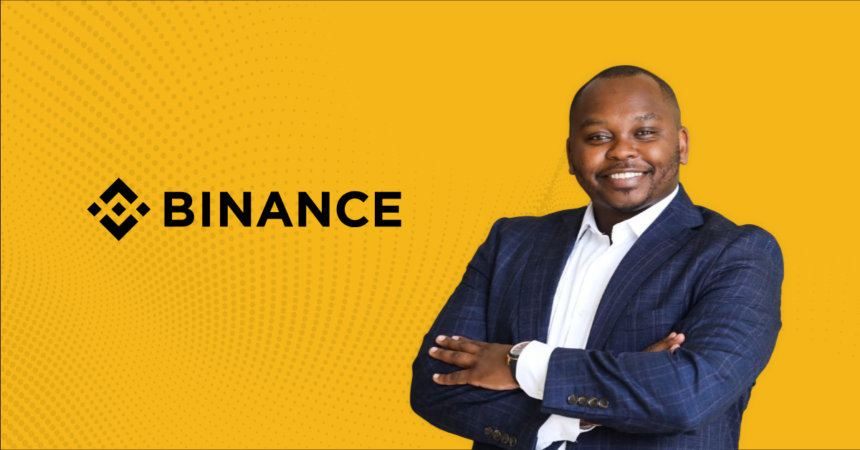
OUAGADOUGOU, Burkina Faso, September 14, 2026 — As digital assets become part of everyday finance across West Africa, Binance (www.Binance.com) is setting out its commitment to compliance, security and user protection.
Who is Binance?
Binance is the world’s largest platform for buying, selling and holding digital assets such as Bitcoin, Ethereum and stablecoins. Founded in 2017, Binance serves more than 320 million users across 100+ regions, including markets across Africa.
Why compliance matters
Digital assets move fast and across borders. That means the platforms holding them need strong rules not just to meet legal requirements, but to keep users safe and earn their trust .
Binance has built its compliance programme to a standard that goes beyond what is expected of traditional financial institutions in many markets. Every user must verify their identity before they can trade or withdraw. Every transaction is monitored for signs of fraud or money laundering. Suspicious activity is flagged, investigated and reported to the relevant authorities.
In Burkina Faso, we want people to understand who we are, how we protect their assets and why our standards are built to go beyond what is expected
A globally aligned standard
Binance operates under a regulatory framework licensed by the Abu Dhabi Global Market (ADGM) Financial Services Regulatory Authority, one of the most respected financial regulators in the world. This framework covers exchange operations, custody of user assets and clearing and settlement, with separate regulated entities for each function.
That means Binance’s compliance standards – covering governance, risk management, anti-money-laundering controls, customer protection and asset custody – are held to the same level of scrutiny as a fully regulated financial institution, not just a technology company.
Going beyond the traditional financial sector
Many traditional financial institutions are not required to publicly prove they hold the assets they claim to hold. Binance does. Through its Proof of Reserves system, Binance publishes regular, independently verifiable reports showing that user assets are backed one-to-one or better. Users can check for themselves that their balances are included, using cryptographic tools that protect their privacy.
Binance also maintains the Secure Asset Fund for Users (SAFU) , an emergency reserve held in a public wallet and designed to protect users in the event of a security incident. Few platforms in the digital asset industry, and few institutions in traditional finance, offer this level of visible, user-facing protection.
What this means for Burkina Faso
As digital finance grows in Burkina Faso and across the region, users deserve to know that the platform they use is held to the highest global standards. Binance is already operating to those standards, not because regulation requires it today but because keeping users safe is the foundation of trust.
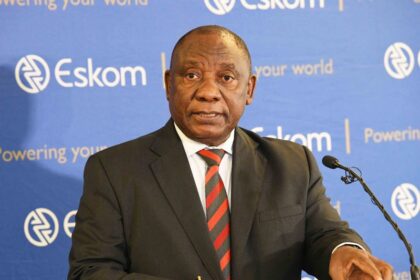
“We believe compliance is not a box to tick. It is a continuous commitment to doing the right thing for users, regulators and the communities we serve,” said Samukele Mkhize, Compliance Lead Binance Africa. “In Burkina Faso, we want people to understand who we are, how we protect their assets and why our standards are built to go beyond what is expected.”
SUPPORT AFRICAN BUSINESS JOURNALISM
Help XOL Africa expand independent business reporting across Africa.
SUPPORT XOL AFRICA →