



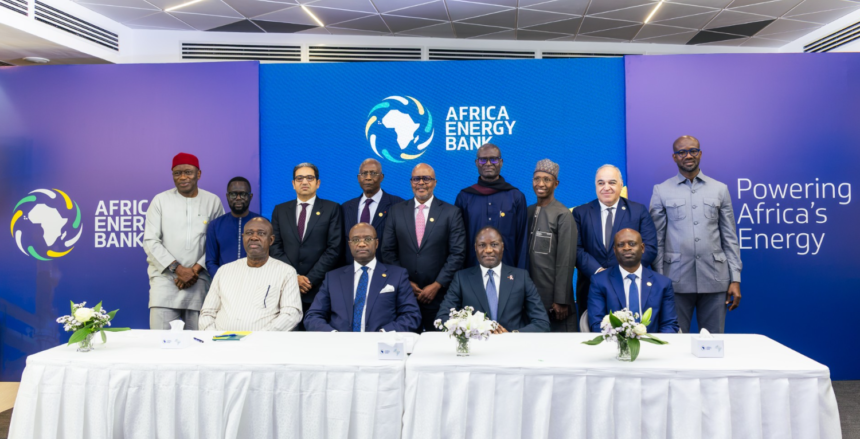
ABUJA, — The African Export-Import Bank (Afreximbank) and the African Petroleum Producers’ Organisation (APPO) have formally established the Africa Energy Bank with authorised capital of $5bn, creating a new continental financing institution aimed at supporting oil, gas and wider energy infrastructure investments as traditional lenders retreat from fossil fuel projects.
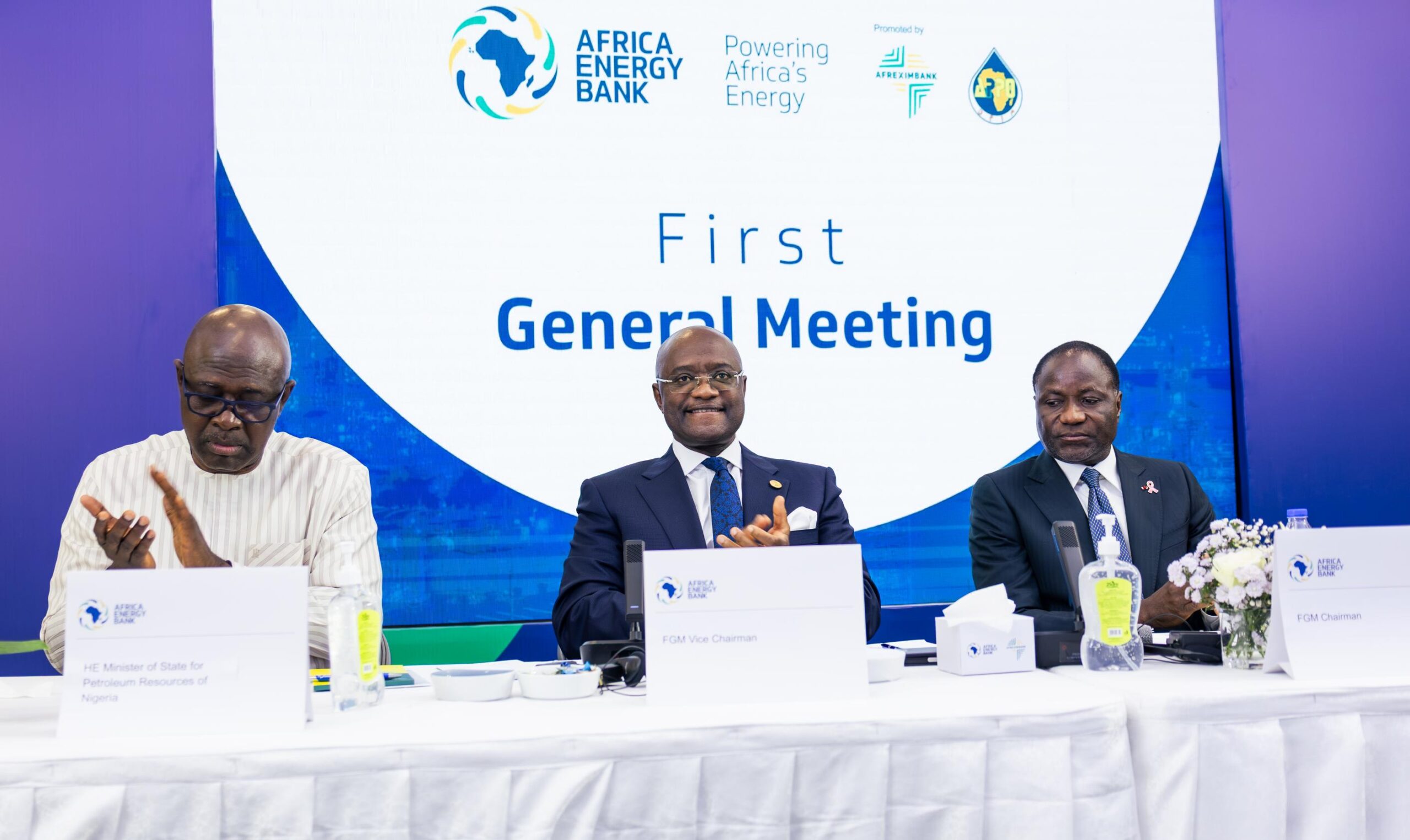
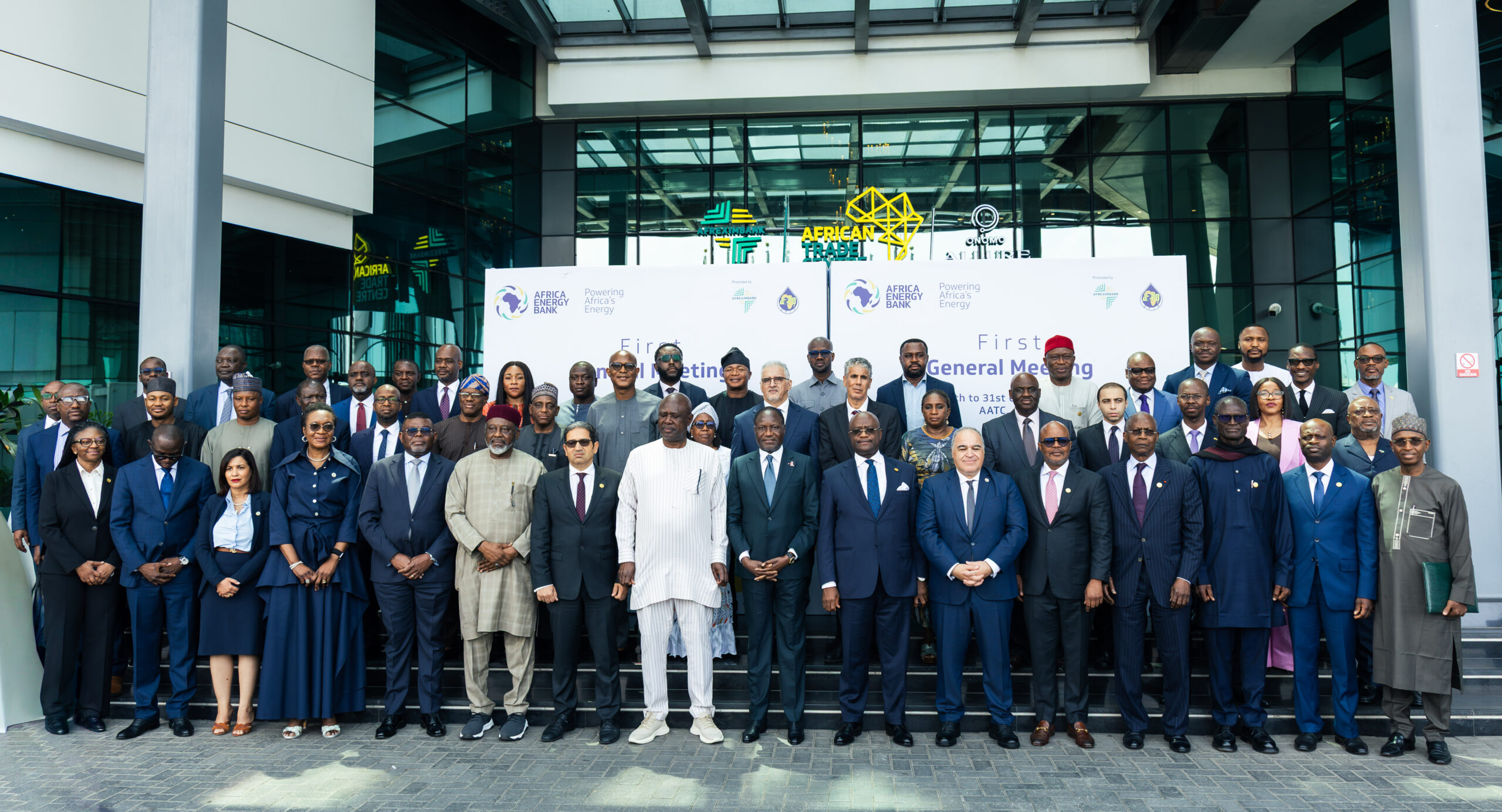
The announcement followed the bank’s inaugural general meeting in Abuja, Nigeria, on Saturday, where founding members approved its governance structure, appointed Helmy Ghazi as its first president and constituted a board of directors drawn from public and private sector institutions across Africa.
The new lender will operate as an independent, supranational financial institution, seeking capital from African governments, national oil companies, financial institutions and private investors to finance energy projects across the continent.
Its establishment comes as Africa faces an estimated $200bn in energy investment requirements, according to Afreximbank and APPO, while international banks and other traditional financiers increasingly restrict funding for fossil fuel developments amid pressure to reduce carbon emissions.
The two institutions said the Africa Energy Bank would help bridge the financing gap while supporting an energy transition that takes account of African countries’ economic and development needs.
“The creation of the Africa Energy Bank reaffirms African governments’ determination to secure their own energy future,” Afreximbank and APPO said in their joint statement.
The institutions said substantial investment in energy generation and transmission was essential to accelerating industrialisation and enabling African economies to benefit from emerging technologies, particularly artificial intelligence.
The bank’s mandate will cover the energy value chain, including oil and gas exploration and production, transportation, processing, refining and distribution.
The financing is intended to expand domestic energy production, strengthen refining capacity and reduce Africa’s dependence on imported petroleum products, while encouraging greater trade in energy commodities between African countries.
The establishment of the bank reflects growing concerns among African oil-producing nations about access to international financing as global financial institutions reassess their exposure to hydrocarbons.
Although renewable energy investment is expanding worldwide, oil and gas remain important to the energy systems and export revenues of several African economies.
African governments have argued that restrictions on fossil fuel financing risk constraining industrial development and energy access in countries where electricity infrastructure and domestic processing capacity remain inadequate.
Afreximbank and APPO said the new institution would seek to balance continued investment in conventional energy resources with the continent’s broader energy transition objectives.
The bank is also expected to promote greater African ownership and participation in energy projects, allowing domestic companies and institutions to play a larger role in developing the continent’s resources.
Its $5bn authorised capital provides the framework for its financing operations, although the founding institutions did not disclose how much capital had been paid in or the timetable for raising additional funds.
The appointment of Ghazi as inaugural president marks a significant step in establishing the institution’s leadership and operational structure.
The first board of directors will include representatives from the public and private sectors, alongside policy institutions from across Africa.
The announcement follows years of efforts by African petroleum-producing countries to develop alternative financing mechanisms for energy infrastructure, particularly as access to conventional international lending becomes more difficult.
APPO, established in Lagos in 1987, promotes cooperation among African oil-producing countries through coordinated policies, technical collaboration and the exchange of industry expertise.
Its partnership with Afreximbank combines the petroleum organisation’s sectoral mandate with the Cairo-based lender’s experience in trade finance, infrastructure investment and industrial development.
Afreximbank has increasingly positioned itself as a financier of African industrialisation and cross-border trade, supporting projects intended to strengthen local production and reduce dependence on imported goods.
At the end of September 2026, the bank reported total assets and contingencies exceeding $54.1bn, with shareholder funds of approximately $9bn.
The Africa Energy Bank is expected to complement those activities by providing a dedicated financing platform for energy projects that may face difficulties attracting traditional international capital.
Its focus on refining and processing could be particularly significant for African petroleum producers that export crude oil while continuing to import substantial volumes of refined fuels.
Expanding domestic refining capacity and energy infrastructure could help retain more value within African economies and strengthen regional supply chains.
The institution’s creation also comes as African governments seek to increase electricity generation and transmission capacity to support manufacturing, digital infrastructure and emerging technology industries.
However, the new bank will face the challenge of mobilising sufficient capital to meet the scale of the continent’s energy financing requirements while managing the commercial and environmental risks associated with long-term fossil fuel investments.
The founding institutions did not announce an initial portfolio of approved projects, financing commitments or a date for the commencement of lending operations.
Nor did they provide details of the bank’s proposed lending terms or the allocation of capital between conventional energy and energy transition projects.
The Africa Energy Bank’s establishment represents an institutional step towards greater African control over energy financing, but its ability to address the continent’s investment gap will depend on capital mobilisation, project selection and the successful execution of its lending mandate.
For Afreximbank and APPO, the immediate priority will be translating the newly established institution into an operational lender capable of financing energy infrastructure and supporting industrial growth across African economies.
SUPPORT AFRICAN BUSINESS JOURNALISM
Help XOL Africa expand independent business reporting across Africa.
SUPPORT XOL AFRICA →