


LUSAKA, Zambia, November 8, 2026 — Africa Finance Corporation (AFC) is pushing ahead with plans to develop an 830-kilometre railway connecting Zambia’s mineral-rich Copperbelt to Angola’s Atlantic coast, targeting financial close in 2027 as the project attracts interest from freight operators and international development partners.
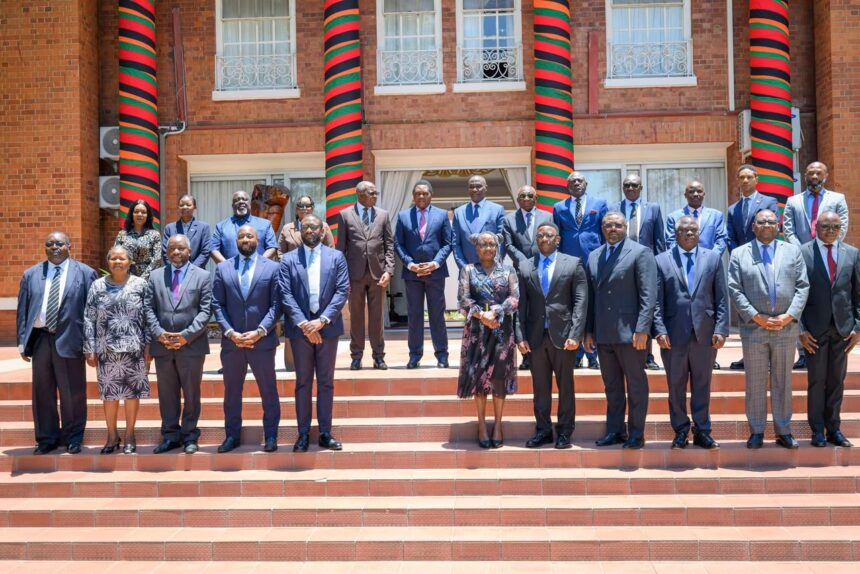
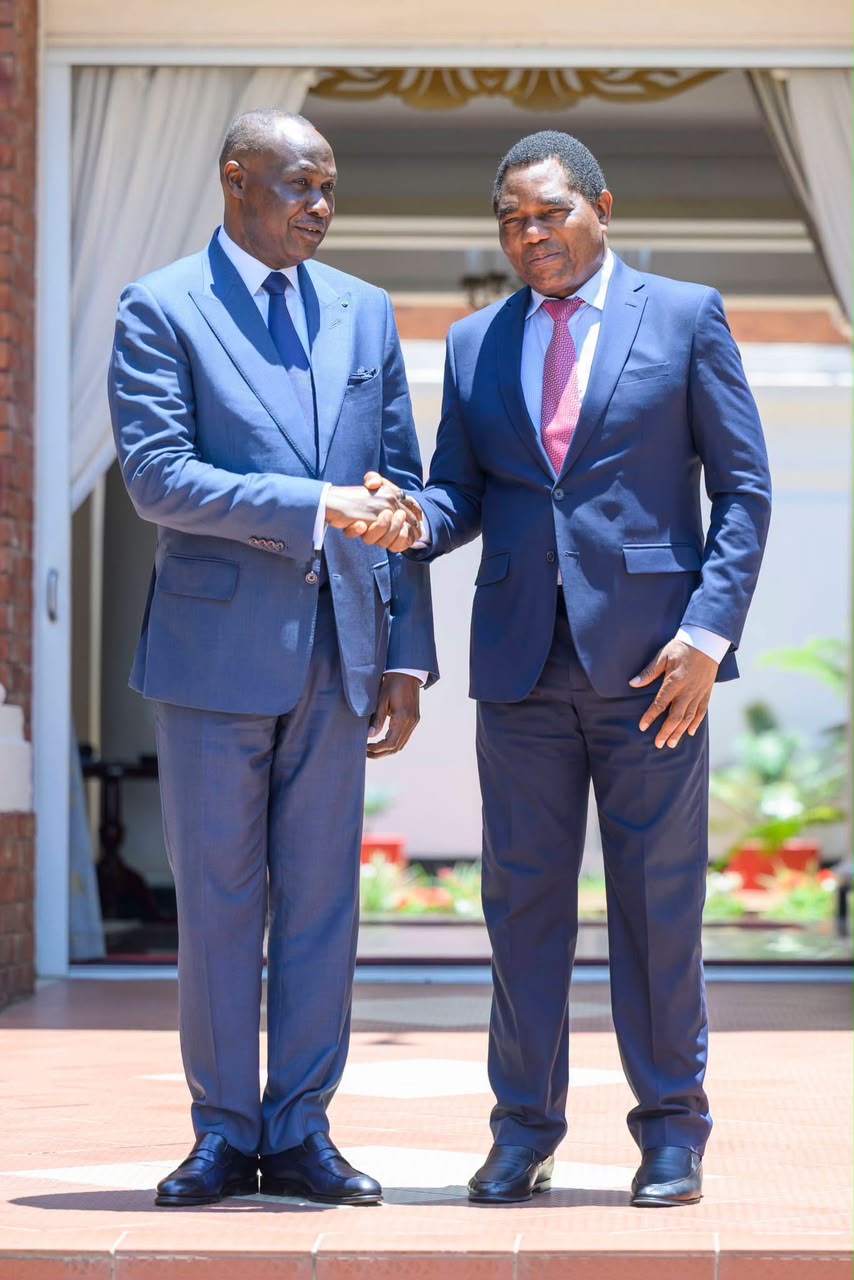
The infrastructure financier’s president and chief executive, Samaila Zubairu, met Zambian President Hakainde Hichilema in Lusaka to review progress on the Zambia–Lobito Railway, a strategic transport project designed to strengthen regional trade and reduce the cost of moving copper, cobalt and other commodities to international markets.
In a statement issued on November 6, AFC said the railway had reached several development milestones, including the selection of preferred bidders for engineering, procurement and construction contracts covering the Zambian and Angolan sections.
The project has also secured memoranda of understanding and letters of intent from prospective freight customers representing approximately 2mn tonnes of annual cargo, providing early indications of commercial demand.
The proposed railway will run from Chingola in Zambia’s Copperbelt province to Luacano in Angola, where it will connect with the existing Benguela Railway and provide access to the Atlantic Ocean through the Port of Lobito.
The connection is expected to reduce transit times from Zambia’s Copperbelt to the Atlantic coast to approximately seven days, offering an alternative export route for a region heavily dependent on mineral production.
AFC is targeting annual freight volumes of approximately 5mn tonnes once the railway reaches steady-state operations, including copper, cobalt, zinc, petroleum products, agricultural commodities and other industrial cargo.
The railway forms part of the broader Lobito Corridor initiative, which has attracted support from the US, European Union and international development finance institutions seeking to improve transport connectivity between central Africa’s mineral-producing regions and global markets.
The corridor has gained strategic importance as demand for critical minerals used in electric vehicles, renewable energy infrastructure and advanced manufacturing continues to shape investment in African transport networks.
For Zambia, one of Africa’s leading copper producers, the project could provide an opportunity to expand domestic processing and manufacturing while improving the competitiveness of mineral exports.
Zubairu said the railway’s economic significance extended beyond transporting raw materials.
“Every tonne that leaves Zambia unprocessed takes jobs away with it. This railway changes that,” he said.
He added that the new connection would give Zambia a seven-day route to the Atlantic while creating incentives for domestic processing, manufacturing and industrial value addition.
“We are building a railway. Zambia will build an economy on it,” Zubairu said.
The emphasis on industrial development reflects growing efforts among African mineral-producing countries to capture more value from their natural resources rather than relying predominantly on exports of unprocessed commodities.
Hichilema described the railway as central to Zambia’s ambition to become a competitive regional hub for trade, agriculture, manufacturing and mineral processing.
“By connecting our productive sectors to international markets more efficiently, we can reduce logistics costs, attract investment and create jobs,” the president said.
He reaffirmed his government’s commitment to working with AFC to advance the project.
Discussions between the Zambian government and AFC also covered outstanding development requirements, including securing the railway’s right of way and land for associated agricultural, petroleum and freight-handling facilities.
The two sides considered policy measures intended to strengthen the corridor’s long-term commercial viability, particularly its integration with the existing Zambia Railways network and the Chingola–Ndola railway line.
Such connections would be important in ensuring that the new infrastructure supports broader domestic economic activity rather than functioning solely as an export route for mining companies.
The project is being developed with support from the governments of Zambia and Angola, alongside the African Development Bank, the European Union, the US government and Italy.
Italian development finance institution CDP and export credit agency SACE are also among the institutions involved in efforts to bring the railway into construction.
AFC, which is serving as lead sponsor and developer, said it was working with these partners to achieve financial close in 2027.
The corporation, established in 2007 to finance infrastructure and industrial development across Africa, has invested more than $20bn in 36 African countries and has 49 member countries.
The Zambia–Lobito Railway represents a significant test of efforts to translate growing international interest in Africa’s critical minerals into infrastructure investment capable of supporting industrialisation, regional integration and more diversified economic growth.
Its progress towards construction will depend on completing financing arrangements, securing the necessary land and regulatory approvals, and converting preliminary freight commitments into commercially binding agreements.
SUPPORT AFRICAN BUSINESS JOURNALISM
Help XOL Africa expand independent business reporting across Africa.
SUPPORT XOL AFRICA →