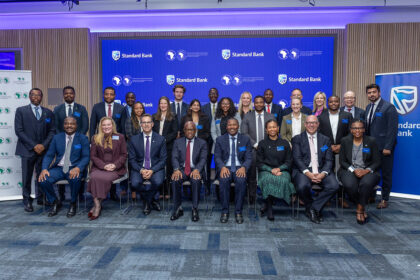




PRETORIA, South Africa (XOL Africa) — The African Development Bank Group has finalized a loan of up to $15 million to South African vaccine manufacturer Biovac to support the construction of a new multi-vaccine manufacturing facility in Cape Town, a project expected to strengthen the continent’s capacity to produce vaccines locally.
The financing will help expand Biovac’s total annual manufacturing capacity to as many as 500 million doses and is expected to create about 340 full-time jobs, with women projected to fill 43% of the new positions and young people 30%.
The facility, which is expected to be completed by 2028, will initially produce oral cholera vaccines and later expand into inactivated polio vaccines, pneumococcal conjugate vaccines and meningitis vaccines.
Once completed, Biovac is expected to become Africa’s first end-to-end producer of oral cholera vaccines and South Africa’s first local producer of inactivated polio vaccines. The company is working with international partners including Sanofi, the International Vaccine Institute, Biological E Limited, EuBiologics and Bharat Biotech on technology transfers.
“This investment in Biovac is about much more than expanding vaccine production capacity. It is about building Africa’s health sovereignty, strengthening regional value chains, and creating industrial capabilities that will enable the continent to respond more effectively to future health emergencies,” said Solomon Quaynor, the African Development Bank’s vice president for private sector, infrastructure and industrialization.
“By supporting Africa’s first end-to-end oral cholera vaccine manufacturing facility and the continent’s first local production of inactivated polio vaccine, we are helping transform Africa from a consumer of imported vaccines into a producer of critical health solutions,” he said.
Africa currently imports more than 99% of the vaccines it uses, despite bearing a disproportionate share of the global burden of vaccine-preventable diseases. The African Union has set a target of producing 60% of the continent’s vaccines locally by 2040.
Biovac CEO Morena Makhoana said the partnership with the African Development Bank represented an opportunity to reshape the continent’s approach to health security.
“We welcome the African Development Bank as a partner in this landmark project and are proud that an institution so central to Africa’s development sees in Biovac the same opportunity we see, a chance to fundamentally shift the continent’s relationship with its own health security,” Makhoana said.
“The project will shift the narrative from majority-imported vaccines to majority-exported vaccines. This is part of changing that reality permanently. This is what Africa’s health sovereignty looks like in practice, and we are honoured to be building it,” he said.
The project is also expected to expand training in vaccine manufacturing, quality control and regulatory science through partnerships with local universities and other regional training institutions.
Kennedy Mbekeani, the African Development Bank’s director general for Southern Africa and country manager for South Africa, said the investment would enable Biovac to expand production of vaccines targeting some of the continent’s most pressing health needs.
“This project allows one of Africa’s most experienced manufacturers to scale up exactly where the need is greatest: vaccines that protect children from cholera, polio, pneumonia and meningitis,” Mbekeani said.
The expansion is designed to connect with Africa’s emerging vaccine-financing system, including Gavi’s African Vaccine Manufacturing Accelerator, a $1.2 billion mechanism intended to support African vaccine producers through milestone payments tied to World Health Organization prequalification and additional payments for vaccines supplied through UNICEF tenders.
The African Development Bank is joining a group of development finance institutions supporting the project. The financing syndicate is led by the International Finance Corporation and includes a long-term quasi-equity facility from the Human Development Accelerator program, a European Union-backed initiative implemented by the European Investment Bank in partnership with the Gates Foundation.
Biovac was established in 2003 through a partnership between the South African government and the private sector to develop local vaccine manufacturing capacity. The Cape Town-based company currently manufactures and supplies routine pediatric vaccines and has delivered more than 450 million vaccine doses across Southern Africa, including COVID-19 vaccines.
The project is part of the African Development Bank’s broader efforts to expand pharmaceutical and vaccine manufacturing on the continent, create skilled employment, encourage innovation and support the African Union’s goal of greater vaccine self-sufficiency.